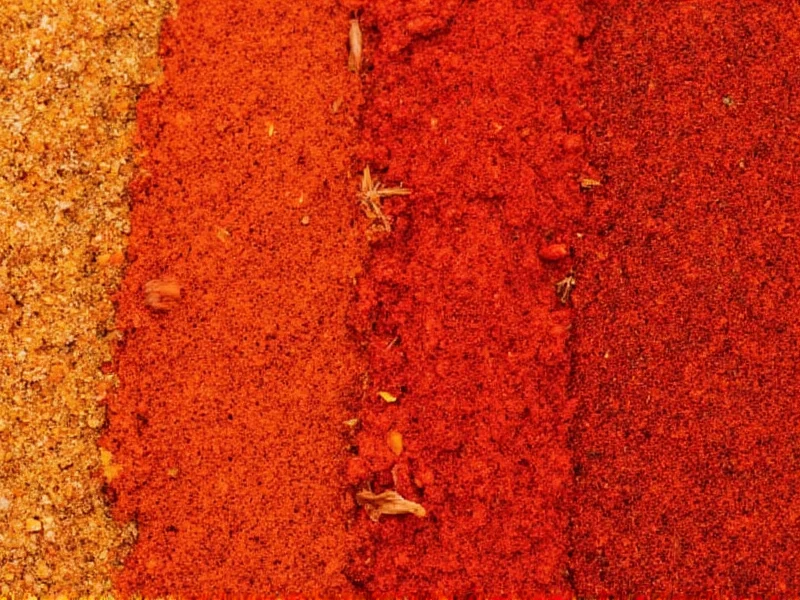
The Culinary Charm of Paprika: More Than Just a Spice
Paprika, a beloved and versatile spice, holds a cherished spot in kitchens worldwide, renowned for its ability to infuse dishes with vibrant color, nuanced flavor, and warming depth. Derived from the dried and ground pods of various bell and chili peppers (
Capsicum annuum), this culinary gem offers a delightful spectrum, from the sweet and mild to the intensely hot and uniquely smoky.
Originating in the Americas, paprika journeyed to Europe in the 16th century, finding its true calling in the traditional cuisines of Hungary and Spain. Whether it's the rich, ruby-red hue it lends to Spanish paella, the comforting warmth it brings to Hungarian goulash, or the subtle seasoning it provides to roasted vegetables, paprika's essence is unmistakable. Its versatility makes it an indispensable ingredient, capable of elevating everything from marinades and rubs to deviled eggs and hearty stews.
But what happens when you're mid-recipe, reach for your trusty jar of paprika, and find it empty? Or perhaps you're seeking to replicate a specific flavor profile—be it the distinct smokiness of Spanish paprika or the gentle warmth of the sweet variety—and need a clever workaround. Fear not, home cooks and culinary adventurers! This comprehensive guide will equip you with essential
paprika substitutes, ensuring your dishes never miss a beat, even when your pantry is running low.
Navigating the World of Paprika Substitutes: Key Considerations
The truth is, paprika, especially the smoked variety, possesses a unique character that can be challenging to replicate perfectly with a single substitute. Its distinct blend of fruitiness, earthiness, and often a subtle heat, coupled with its brilliant red color, means that finding a stand-in often involves a little culinary alchemy. The key to successful substitution lies in understanding what role paprika plays in your specific recipe. Are you primarily after:
*
Color? Paprika's vibrant red adds visual appeal, which can be crucial for presentation.
*
Smoky Flavor? Smoked paprika delivers a deep, campfire-like essence that's hard to mimic.
*
Mild Sweetness/Fruitiness? Sweet paprika provides a mellow, slightly fruity warmth.
*
Pungent Heat? Hot paprika brings a noticeable kick without being overpowering.
*
General Savory Depth? Paprika contributes to the overall complexity of a dish.
Once you identify the primary contribution you're looking to replace, you can choose the best alternative—or even combine a few—to achieve a wonderfully satisfying result.
For Vibrant Color & Mild Flavor:
If your main goal is to add that signature red hue and a pleasant, non-spicy base flavor, these options are your go-to.
*
Other Paprika Varieties (Sweet, Hungarian, Hot):
When your recipe calls for smoked paprika, but you only have sweet paprika, Hungarian paprika, or hot paprika on hand, use them! While you'll miss the characteristic smokiness, you'll still get that gorgeous red color and a familiar paprika base flavor.
Insight: Sweet paprika is ideal for a mild, fruity profile, while Hungarian paprika often offers a more pronounced, complex flavor. If opting for hot paprika, remember its chili heat and start with a smaller quantity, tasting and adjusting as you go. It's better to add more than to overwhelm your dish with unexpected spice.
*
Tomato Paste or Tomato Powder:
Neither of these will contribute smoky flavors, but they are excellent for adding a rich, deep red color and a significant boost of umami and sweetness. Tomato paste, in particular, can add a wonderful depth to stews, sauces, and braises, mimicking some of paprika's savory contribution. Tomato powder offers a more concentrated flavor and color with less moisture.
Insight: Use tomato paste in recipes that already have a liquid component, or thin out tomato powder slightly before adding to ensure it disperses well. This works particularly well in dishes where a robust, savory base is desired, like a chili or a hearty soup.
*
Sumac:
A less common pantry staple, but if you happen to have sumac, it’s a delightful choice for color and a unique flavor twist. Sumac imparts a beautiful reddish-purple hue similar to paprika, but its flavor profile is distinctly different. Instead of smoke or sweetness, sumac offers a bright, tangy, and lemony zest.
Insight: While not a direct flavor match for paprika, sumac can be a fantastic "substitute" if you're open to a fresh, vibrant, and slightly acidic counterpoint in your dish, particularly in Middle Eastern or Mediterranean-inspired recipes where paprika might also be used.
For Authentic Smokiness:
Replicating the deep, nuanced smokiness of smoked paprika is often the trickiest part of substitution. These alternatives offer the best chance to capture that distinctive flavor profile. For more dedicated substitutes for smoked paprika, you can dive deeper into
No Smoked Paprika? Top Substitutes for Authentic Smoky Flavor.
*
Chipotle Chilli Powder & Chipotle in Adobo:
Hailing from Mexico, chipotle chili powder is made from smoked, dried jalapeño peppers. It's a fantastic substitute for smoked paprika, offering a similar smoky essence, though with a slightly fruitier undertone and a noticeable kick of heat. It also provides a beautiful, deeper red color than most paprikas. Chipotle chilies in adobo sauce can also be used; simply mince the chilies finely or blend a small amount of the sauce.
Insight: Be mindful of the heat level when using chipotle powder or chilies. Start with half the amount of smoked paprika called for and adjust to your taste preferences. The smoky notes of chipotle are often more intense and "earthier" than paprika's, lending a robust character.
*
Ancho Chili Powder:
Made from dried poblano peppers, ancho chili powder offers a mild heat profile combined with a subtly sweet and smoky flavor. It's an excellent choice for recipes where you want a gentle smokiness without overwhelming spice, making it a great stand-in for mild or sweet smoked paprika. Its dark, rich red color also mirrors paprika well.
Insight: Ancho powder's smokiness is often less aggressive than chipotle's, providing a more mellow and rounded flavor. It's particularly good in slow-cooked dishes, rubs for meats, or any recipe where you want to build flavor gradually.
*
Liquid Smoke:
If capturing pure smoky flavor is your sole mission and color isn't a concern, liquid smoke is a potent option. Derived from condensed smoke, it delivers an intense smoky essence.
Insight: Exercise extreme caution with liquid smoke; a tiny amount goes a very, very long way. Start with just a drop or two, mix it into a small portion of your dish, taste, and then decide if you need more. It can easily overpower a dish, creating an artificial taste if overused. It adds no color, so you might consider pairing it with a non-smoked paprika or tomato paste for visual appeal.
*
Smoked Sea Salt:
For a subtle hint of smokiness without adding other flavors or color, smoked sea salt can be a good choice. It imparts a delicate, natural smoked flavor.
Insight: The limitation here is obvious: you can only add so much salt to a dish. It's best used in recipes where other flavors are mild and won't compete, or in combination with another paprika substitute that provides color and primary flavor. Consider using it in rubs or finishing salts where you want that gentle smoky nuance.
For Heat & Other Flavor Dimensions:
Sometimes, paprika is used not just for color or smoke, but for its warming spice or to contribute to a complex flavor blend.
*
Cayenne Pepper or Chili Flakes:
If the primary role of paprika in your recipe is to add heat, cayenne pepper or red chili flakes are direct and effective substitutes. They will deliver pungency but lack paprika's fruitiness, earthiness, or smoky notes, and their color is typically less vibrant (especially chili flakes).
Insight: Use sparingly, as cayenne pepper, in particular, is much hotter than most hot paprikas. Start with a pinch and taste.
*
Ground Cumin or Coriander:
These spices won't provide the color or smokiness of paprika, but they can add an earthy, warm, and savory depth that can sometimes complement the flavors in dishes where paprika is typically used. Cumin offers a bolder, more pungent earthiness, while coriander is milder and more citrusy.
Insight: These are best used as flavor enhancers rather than direct visual substitutes. If your dish already contains a lot of other spices, these can help build complexity in a different direction.
*
Spice Blends (Ras el Hanout, Tex Mex Spice, Chili Powder Blends):
Many pre-made spice blends, such as Ras el Hanout, Tex Mex seasoning, or generic chili powder blends, often contain paprika as one of their ingredients. If you have these on hand, they can offer a complex flavor profile that *might* approximate what you're looking for, though you'll be adding other flavors as well.
Insight: Always check the ingredient list of any blend to understand what you're adding. These are less precise substitutes but can work in a pinch for general seasoning where the exact flavor of paprika isn't paramount.
Expert Tips for Seamless Paprika Substitution
*
Combine for Best Results: The most effective paprika substitutes often involve a combination of ingredients. For example, if you need smoked paprika, try combining sweet paprika (for color and base flavor) with a tiny bit of liquid smoke or chipotle powder (for smokiness).
*
Start Small, Taste, Adjust: This is the golden rule of substitution. Especially with potent ingredients like liquid smoke or hot peppers, begin with a conservative amount, stir it in, taste, and then gradually add more if needed. It's much easier to add than to remove.
*
Consider the Dish's Overall Profile: Think about the cuisine and the other ingredients. A lemony sumac might be a delightful unexpected twist in a chicken rub, but perhaps less suitable for a hearty goulash where a deeper, earthy flavor is expected.
*
Don't Be Afraid to Experiment: Cooking is an art, not just a science. Embrace the opportunity to try new flavor combinations. You might discover a new favorite spice or a unique twist on a classic dish!
Running out of paprika doesn't have to spell disaster for your culinary creations. By understanding the diverse roles this versatile spice plays and knowing the strengths of various substitutes, you can confidently navigate your kitchen, adapting recipes and even discovering exciting new flavor profiles. So, next time you're short on this essential spice, reach for one of these clever alternatives and keep the deliciousness flowing!