When the Pantry Runs Dry: The Quest for Smoked Paprika Alternatives
Picture this: You’re halfway through preparing a mouth-watering Spanish paella, a robust Hungarian goulash, or a smoky BBQ rub, and the recipe calls for that distinctive spice – smoked paprika. You reach into your pantry, only to find the jar empty, or worse, not there at all! Don't let culinary despair set in. While smoked paprika is indeed a star ingredient with a truly unique profile, running out doesn't have to derail your dish. The good news is, with a little creativity and knowledge, you can find excellent
paprika substitutes that deliver on color, flavor, or that coveted smoky essence.
This comprehensive guide will walk you through the best alternatives, helping you salvage your meal and perhaps even discover a new favorite flavor enhancer. Whether you're aiming for that deep, reddish hue, a subtle smoky whisper, or a bold flavor statement, there's a substitute waiting to step in.
Understanding Smoked Paprika: A Culinary Cornerstone
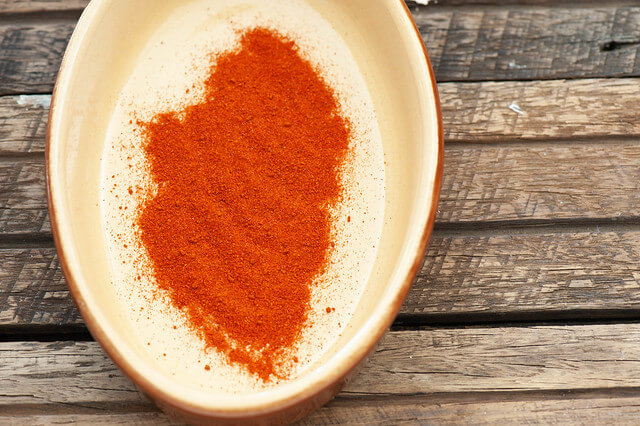
Before diving into replacements, it’s helpful to understand what makes smoked paprika so special. Known as *pimentón* in Spanish cuisine, this vibrant red spice is made from peppers (typically pimiento peppers) that have been dried slowly over smoldering oak wood fires. This meticulous smoking process infuses the peppers with a deeply aromatic, earthy, and unmistakable smoky flavor, which can range from sweet (*dulce*) to bittersweet (*agridulce*) to hot (*picante*), depending on the pepper varieties used.
Originating from Central and South America, paprika found its way to Europe in the 16th century and quickly became a staple in Hungarian and Spanish kitchens. It contributes not only a beautiful, rich red color but also a complex flavor profile that includes fruity notes, a hint of sweetness or heat, and, of course, that signature smoky depth. This unique combination makes finding a single, perfect substitute a challenge, but by understanding its core elements – smoke, color, and underlying flavor – we can effectively mix and match to achieve fantastic results.
The Unique Challenge of Finding Paprika Substitutes for Smoked Paprika
It’s important to acknowledge upfront: smoked paprika is a truly distinct ingredient. No single substitute will perfectly replicate its precise balance of vibrant red color, fruity sweetness (or heat), and profound smokiness. Many chefs and home cooks agree that the "real thing" is always best. However, that doesn’t mean you’re out of luck!
The key to successful substitution lies in identifying which characteristics of smoked paprika are most crucial to your specific recipe. Are you primarily after the smoky flavor? The striking red color? A touch of subtle heat? Or a combination of all three? By prioritizing these elements, you can choose the most effective alternative or even blend a few to create a more comprehensive stand-in. Let's explore the top contenders.
Top Smoked Paprika Substitutes: Balancing Flavor, Color, and Heat
When faced with an empty jar of smoked paprika, these alternatives offer a spectrum of solutions to keep your culinary journey on track.
1. Chipotle Chilli Powder: The Smoky Mexican Cousin
One of the most robust and flavor-forward
paprika substitutes, chipotle chilli powder comes from dried, smoked jalapeño peppers. Hailing from Mexico rather than Spain, it offers a similar smoky profile but with a distinct twist.
*
Flavor Profile: Expect a deep, earthy smokiness, often with notes of chocolate and a noticeable kick of heat. It's typically fruitier and more intense than most smoked paprikas.
*
Color Contribution: Provides a rich, deep reddish-brown hue, often even more intense than smoked paprika.
*
Best For: Dishes where a smoky flavor is paramount and a bit of extra heat is welcome, such as chili, stews, marinades for grilled meats, or Tex-Mex cuisine.
*
Expert Tip: Due to its heat, start by using about half the amount of chipotle powder that the recipe calls for smoked paprika. Taste and add more if desired. If you happen to have chipotle peppers in adobo sauce, they can also work, but be mindful of the added moisture and tangy adobo flavor.
2. Other Paprikas: For Color and Depth (But Less Smoke)
If you have other types of paprika on hand, they are an obvious starting point for
paprika substitutes. While they won't bring the smoke, they contribute color and that characteristic "paprika" flavor.
*
Sweet Paprika: Made from milder peppers, it offers a vibrant red color and a generally mild, slightly fruity flavor. It’s excellent for visual appeal and a gentle paprika essence.
*
Hot Paprika: This variety provides a significant spicy kick along with its color and flavor. Use sparingly if you're not looking for a lot of heat.
*
Hungarian Paprika: Often categorized by its origin and specific processing, Hungarian paprika can range from sweet to hot. It’s renowned for its rich flavor and color, central to dishes like goulash.
*
Best For: Recipes where the visual appeal and fundamental paprika flavor are more important than the smoky notes.
*
Expert Tip: If smoke is still desired, combine sweet paprika with a *tiny* amount of liquid smoke or smoked sea salt (see below) for a more complete substitution. When using hot paprika, reduce the quantity initially to manage the heat.
3. Liquid Smoke: Pure Aroma, No Color
Liquid smoke is a concentrated flavoring derived from condensing wood smoke. It's a powerful tool for adding pure smoky essence without any color or other spice flavors.
*
Flavor Profile: Extremely potent, delivering an intense, unmistakable smoky flavor.
*
Color Contribution: None.
*
Best For: Dishes where you desperately need that smoky aroma and flavor, but color is either not important or is coming from other ingredients. Great for marinades, sauces, or vegetarian dishes where you want to mimic grilled or smoked meat flavors.
*
Expert Tip: *Use with extreme caution!* A single drop can be enough for an entire dish. It's incredibly easy to overdo, resulting in an overpowering, artificial taste. Start with half a drop (literally, dip a toothpick in and stir) and taste before adding more. This is best combined with another paprika for color and depth.
4. Smoked Sea Salt: Subtle Smoky Notes
Infused with real wood smoke, smoked sea salt offers a more subtle and nuanced way to introduce smokiness.
*
Flavor Profile: A gentle, natural smoky flavor that complements the saltiness.
*
Color Contribution: None.
*
Best For: Dishes where you want a delicate hint of smoke, especially those with fewer competing flavors, and where you would be adding salt anyway. Excellent for seasoning roasted vegetables, finishing grilled fish, or as a garnish.
*
Expert Tip: Remember, you're primarily adding salt. There's a limit to how much you can use without making your dish too salty. This is a good option if you need a very light touch of smoke.
5. Tomato Paste or Tomato Powder: Boosting Umami and Color
While these options won't provide any smokiness, they can contribute rich color, depth, and a delicious umami factor to your dish, making them valuable
paprika substitutes in certain contexts.
*
Flavor Profile: Concentrated tomato flavor – savory, slightly sweet, and tangy. Tomato powder is even more intense and shelf-stable.
*
Color Contribution: A deep reddish-orange hue, adding visual warmth.
*
Best For: Stews, sauces, and braises where you want to enhance richness and color, especially if you can pair it with another smoky element like a tiny bit of liquid smoke or chipotle.
*
Expert Tip: Sautéing tomato paste until it darkens slightly (but doesn't burn) caramelizes its sugars, intensifying its flavor and adding even more depth to your dish.
6. Ground Cumin or Coriander: A Different Aromatic Journey
These spices offer a completely different flavor profile but can provide an earthy warmth if your recipe needs a general aromatic spice rather than specific paprika notes.
*
Flavor Profile: Cumin is earthy, pungent, and slightly bitter. Coriander is warm, nutty, and slightly citrusy.
*
Color Contribution: Neither will provide a vibrant red color. Cumin is yellowish-brown, coriander is light brown.
*
Best For: Recipes that could benefit from a different kind of warmth and depth, particularly in Mexican, Middle Eastern, or Indian-inspired dishes.
*
Expert Tip: Use these when you're open to adapting the dish's overall aromatic character. They won't replace the unique fruitiness or smokiness of paprika but can offer a pleasing alternative.
7. Sumac: Tangy Color Burst
You might not have sumac in your pantry, but if you do, it’s a wonderful ingredient, albeit very different from smoked paprika.
*
Flavor Profile: Distinctly tart, lemony, and slightly fruity with a mild bitterness. No smoky notes whatsoever.
*
Color Contribution: A beautiful, vibrant reddish-purple color.
*
Best For: Dishes where you want a pop of color and a fresh, tangy lift rather than a deep, smoky warmth. Excellent for Mediterranean or Middle Eastern dishes, sprinkled over salads, or as a garnish.
*
Expert Tip: Consider if a bright, tangy flavor profile will complement your dish before opting for sumac as a smoked paprika substitute.
8. Spice Blends: Hidden Smoked Gems
Sometimes, the solution might already be hiding in plain sight within your spice rack. Many commercial spice blends, especially those designed for BBQ, Tex-Mex, or Moroccan cuisine (like some versions of Ras el Hanout), often contain smoked paprika as a core ingredient.
*
Flavor Profile: Varies wildly depending on the blend, but if smoked paprika is present, it will contribute its signature notes alongside other spices.
*
Color Contribution: Usually contributes a reddish hue, but this will also depend on other ingredients in the blend.
*
Best For: Conveniently adding a complex flavor profile that may include smokiness, but be mindful of the other strong flavors present.
*
Expert Tip: Always check the ingredient list of your spice blends. If it contains smoked paprika, it can be a quick and easy substitute. Adjust the quantity to avoid overpowering the dish with other flavors from the blend.
Expert Tips for Successful Paprika Substitution
Successfully swapping out smoked paprika requires a thoughtful approach. Here are some actionable tips:
*
Identify the Priority: Is it color, smoke, heat, or general flavor that your dish needs most? Focus your substitute choice on that primary characteristic.
*
Combine for Complexity: Don't be afraid to use a combination of
paprika substitutes. For example, sweet paprika for color and base flavor, plus a tiny dash of chipotle powder for smoke and heat. Or, tomato paste for depth and color, with a minuscule drop of liquid smoke. This layered approach often yields the best results.
*
Start Small and Taste: This is perhaps the most crucial advice, especially when dealing with potent substitutes like chipotle powder or liquid smoke. Add a small amount, stir, taste, and then adjust as needed. You can always add more, but you can't easily take it away!
*
Consider the Cuisine: Think about the origin of your recipe. For Spanish dishes, prioritize flavor and color, perhaps leaning into a blend of sweet paprika and a hint of chipotle. For Tex-Mex, chipotle is a natural fit.
*
Embrace Experimentation: The kitchen is a place for creativity! Don't be afraid to try new combinations. You might discover a substitute that you prefer even more in certain recipes.
*
Know Your Spice Rack: Take some time to familiarize yourself with the flavors and potency of the spices you have on hand. This knowledge will empower you to make quick and effective substitutions in a pinch. For more general tips on swapping spices, check out our guide on
Ran Out of Paprika? Essential Substitutes for Color & Taste. Understanding the nuanced interplay of these elements is key, as explored further in our article
Choosing Paprika Substitutes: Balancing Smoke, Heat, & Color.
Conclusion
While smoked paprika holds a cherished place in kitchens worldwide for its unique ability to impart vibrant color, fruity depth, and an irresistible smoky aroma, encountering an empty jar is not the end of your culinary aspirations. With a diverse array of
paprika substitutes at your disposal, ranging from the smoky kick of chipotle chilli powder to the subtle notes of smoked sea salt, and even the color-boosting power of tomato paste, you have many ways to adapt and innovate. By understanding the distinct contributions of each alternative and being willing to experiment, you can confidently navigate any recipe challenge. So, next time you're out of *pimentón*, embrace the opportunity to explore new flavors and add a creative twist to your dishes – your taste buds will thank you!