Understanding Paprika's Versatility and the Quest for the Perfect Substitute
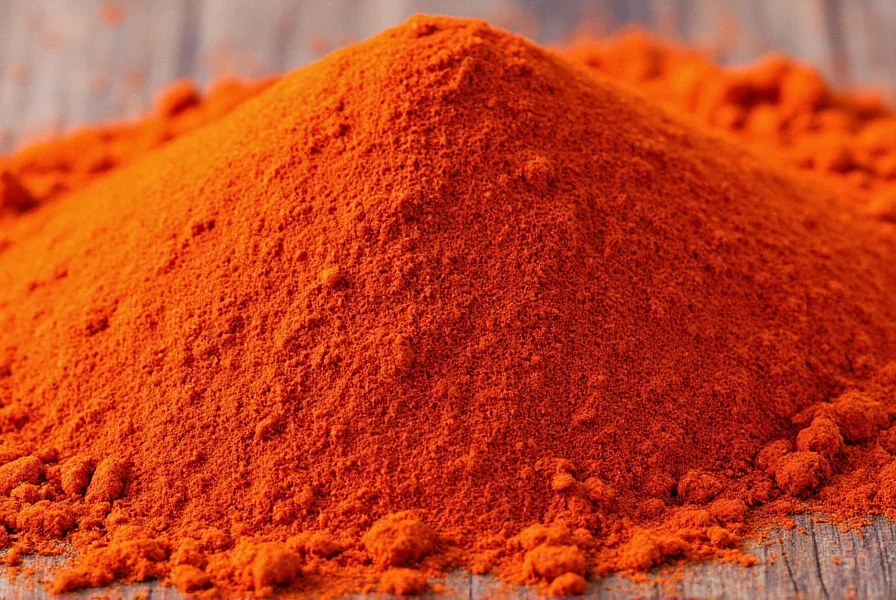
Paprika, a vibrant spice derived from dried and ground *Capsicum annuum* peppers, holds a cherished place in kitchens worldwide. From the sunny kitchens of Spain to the robust stews of Hungary, its distinctive flavor, rich red hue, and varying levels of heat add an irreplaceable character to countless dishes. Whether it’s the sweet, mild notes enhancing deviled eggs, the robust warmth deepening a goulash, or the signature smokiness infusing a paella, paprika is far more than just a seasoning; it’s an experience.
But what happens when your recipe calls for this indispensable ingredient, and your pantry reveals an empty jar? Or perhaps you need a specific type, like smoked paprika, and can't find it? Finding the right
paprika substitute becomes a culinary challenge, requiring a careful balance of smoke, heat, and color to maintain the integrity of your dish. While no substitute can perfectly replicate paprika's unique blend, especially the nuanced depth of the smoked variety, understanding the core characteristics you’re trying to replace can guide you toward the best alternative.
The Essence of Paprika: More Than Just Red Powder
To effectively choose a substitute, it's crucial to understand what paprika brings to the table. Generally, paprika can be categorized into three main types, each with its own flavor profile:
* **Sweet Paprika (or Hungarian Sweet Paprika):** This is the most common variety, offering a mild, fruity sweetness with very little to no heat. Its primary contribution is its beautiful red color and a subtle peppery flavor.
* **Hot Paprika (or Hungarian Hot Paprika):** As the name suggests, this variety introduces a noticeable kick of heat along with the peppery flavor and color. The intensity can vary, but it's designed to add a fiery element.
* **Smoked Paprika (Pimentón de la Vera):** Predominantly from Spain, this is perhaps the most unique and challenging to substitute. Smoked paprika undergoes a traditional drying process over oak wood fires, imparting a deeply aromatic, earthy, and unmistakable smoky flavor alongside its vibrant color and sometimes a hint of sweetness or heat, depending on the variety (dulce, agridulce, picante). Its smoky essence is foundational in many Spanish dishes.
The challenge of finding suitable
smoked paprika substitutes is particularly pronounced due to this complex, layered flavor profile.
Top Paprika Substitutes: Balancing the Triple Threat
When you're out of paprika, or specifically smoked paprika, your choice of substitute will depend on which aspect—color, heat, or smoke—is most critical to your recipe. Here are the best alternatives, categorized to help you prioritize.
1. For Color & Mildness: Keeping it Bright and Balanced
If your primary goal is to add that characteristic red hue and a mild, peppery background, focusing on other paprika varieties or color-rich spices is your best bet.
*
Other Paprika Varieties (Sweet, Hot, Hungarian)
If you're missing *smoked* paprika, but have *sweet* or *hot* paprika on hand, these are excellent starting points for maintaining color and a foundational peppery flavor.
*
Sweet Paprika: A fantastic stand-in if color and mild pepper notes are key. You'll miss the smoke and any specific heat, but the vibrant red will still be there.
*
Hot Paprika: Use cautiously! This will provide color and a spicy kick. Start with half the amount a recipe calls for and adjust to taste to avoid overpowering your dish with heat.
*
Hungarian Paprika: This generally refers to sweet paprika, but authentic Hungarian varieties can range from mild (édesnemes) to hot (csípős csemege). Check the label for its heat level.
These options ensure your dish doesn't look bland and retains a touch of capsicum flavor, though without the smoke.
*
Sumac
While a less common pantry staple, sumac offers a beautiful reddish-purple hue similar to paprika. Its flavor profile, however, is distinctly different—bright, tangy, and lemony, without any smoky notes or significant heat. If your recipe can benefit from a citrusy zest and a splash of color (think salads, rubs, or as a finishing spice), sumac can be a delightful, albeit different, choice. It won't replicate paprika's specific taste but will add its own unique and pleasant character.
*
Tomato Paste or Tomato Powder
Neither of these will contribute smoky flavors, but they are excellent for adding depth, umami, and a reddish color to your dish. Tomato paste is concentrated, offering sweetness and richness. Tomato powder, less common, offers a similar concentrated tomato flavor in a dry form, which can be useful in rubs or dry seasoning mixes. Use them where a savory, slightly sweet background is welcome, especially in stews, sauces, or braises where moisture isn't an issue (for paste).
2. For Smoke & Heat: Capturing that Fiery Aroma
When the smoky depth or a spicy kick is paramount, you'll need to turn to ingredients known for their robust, often piquant profiles. This is where replicating *smoked paprika* truly gets interesting.
*
Chipotle Chili Powder
This Mexican powerhouse is a fantastic substitute, especially for *smoked paprika*, because chipotle peppers are dried and smoked jalapeños. Chipotle chili powder delivers a similar smoky essence, though often with a fruitier undertone and a more pronounced heat level than most smoked paprikas. It will also impart a deeper reddish-brown color to your dish.
*
Usage Tip: Start with half the amount a recipe calls for and taste before adding more, especially if you prefer milder dishes. The heat can be significant.
*
Chipotle in Adobo Sauce: For a more intense, saucy application, canned chipotle peppers in adobo sauce can be pureed and added. Remember this will introduce moisture and a tangy-sweet profile from the adobo sauce, along with the smoke and heat.
*
Ancho Chili Powder
Made from dried poblano peppers, ancho chili powder offers a mild to medium heat with a subtly sweet and earthy, smoky flavor. It's an excellent choice for recipes where you want a rich flavor and a hint of smoke without overwhelming heat. Its deep, dark red color also makes it visually appealing. Ancho works wonderfully in Mexican-inspired dishes and as a general substitute for milder smoked paprikas.
*
Liquid Smoke
If the smoky flavor is your absolute priority and color is secondary, liquid smoke can be a highly effective, albeit potent, solution. It's made by condensing smoke from burning wood, offering an intense smoky aroma without any color or other flavor complexities.
*
Caution: Liquid smoke is incredibly concentrated. A tiny drop can go a long way, and overuse can result in an artificial or overpowering flavor. Use sparingly, perhaps a drop or two at a time, especially in larger batches of food. It's best incorporated into liquids like marinades, sauces, or broths rather than directly onto solid food.
*
Smoked Sea Salt
This offers a subtle way to introduce smoky notes without altering the dish's texture or adding heat. Smoked sea salt is excellent for finishing dishes or when you need a gentle hint of smokiness without competing with other flavors.
*
Limitation: As it's salt, its usage is limited by the overall sodium content desired in your dish. It won't provide color or the full spectrum of paprika's flavor. Best for lighter dishes or as a complementary enhancer.
3. For Alternative Flavors: When Exact Match Isn't Required
Sometimes, the best substitute isn't about replication but about adapting. If you're open to a slightly different, yet still delicious, flavor profile, certain common spices can fill the void.
*
Ground Cumin or Coriander
These warm, earthy spices are often found in cuisines that also utilize paprika, like Tex-Mex, Indian, or Middle Eastern. While they offer no color or smoky notes typical of paprika, they contribute a rich, aromatic depth that can enhance a dish in a different but equally appealing way.
*
Cumin: Known for its distinctive, slightly bitter, and pungent flavor.
*
Coriander: Offers a lighter, citrusy, and sweet aroma.
These are good choices when the recipe calls for a general "spice" rather than a specific paprika flavor, or if you simply want to add warmth.
*
Spice Blends (Ras el Hanout, Tex-Mex Seasoning)
If you have a pre-made spice blend in your pantry that happens to contain paprika (especially smoked paprika), it can be a convenient option. Blends like Ras el Hanout (a complex Moroccan spice mix) or various Tex-Mex seasonings often feature paprika alongside other complementary spices.
*
Consideration: Be mindful of the other ingredients in the blend, as they will introduce additional flavors (e.g., cumin, chili powder, garlic, onion) that might alter your recipe’s intended taste profile. Adjust other seasonings accordingly.
Practical Tips for Successful Paprika Substitution
* **Taste as You Go:** This is the golden rule for any substitution, especially with potent spices or those introducing heat. Start with a smaller amount than the recipe calls for, taste, and gradually add more until you reach the desired flavor.
* **Combine for Complexity:** For *smoked paprika* especially, you might need a combination of substitutes to get closer to the original. For example, use sweet paprika for color and base flavor, plus a tiny drop of liquid smoke or a pinch of chipotle powder for the smokiness.
* **Consider the Dish's Dominant Flavors:** A delicate white sauce will react differently to a smoky substitute than a hearty chili or stew. Choose a substitute that complements the existing flavor profile of your dish.
* **Don't Be Afraid to Experiment:** Culinary creativity often comes from trying new combinations. Embrace the opportunity to explore different flavor dimensions!
Conclusion
Running out of paprika, particularly smoked paprika, doesn't have to derail your culinary plans. While the unique interplay of smoke, heat, and color can be challenging to perfectly replicate, a thoughtful approach to substitution can yield delicious results. By understanding the specific characteristics you aim to replace and carefully selecting from a range of alternatives—from other paprika varieties and robust chili powders to subtle smoke enhancers and aromatic spices—you can maintain the essence of your dish. Remember to taste, adjust, and perhaps even discover a new favorite flavor combination along the way. Happy cooking!